
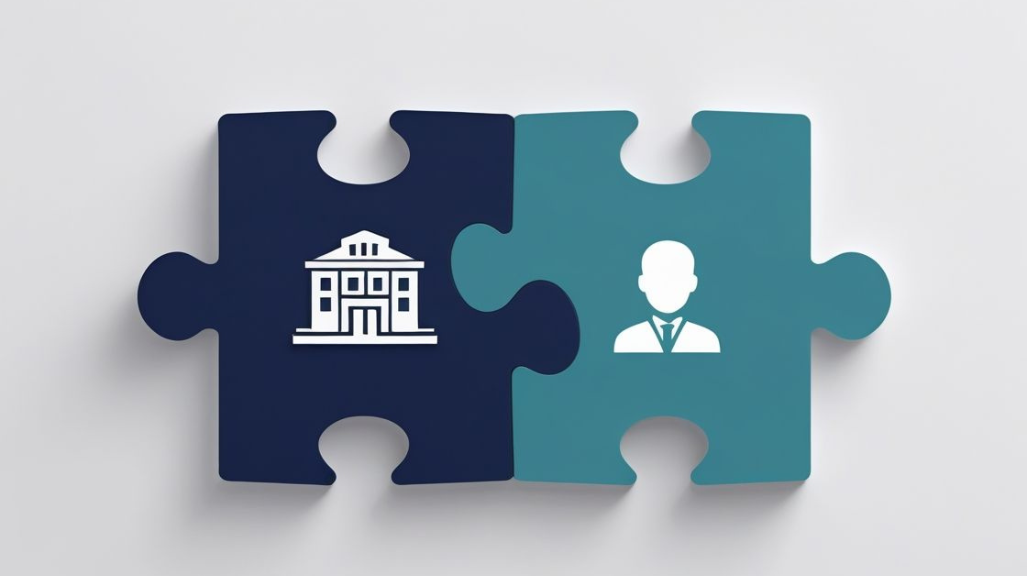
Your marketing team keeps talking about “ICP” and “Buyer Persona” — but are they really the same thing?
Spoiler: they’re not. Confusing the two can cost your sales team valuable deals.
In this blog, we’ll break down the difference and explain why you need both to grow efficiently.
What’s the difference? ICP vs Buyer Persona
In B2B, ICP = The Company
The Ideal Customer Profile (ICP) defines the company you should target.
Example: “UK manufacturing firms with 200–500 employees struggling with manual inventory processes.”
Your ICP tells your team where to focus: which companies have the right size, industry, and challenges to benefit most from your solution.
Buyer Persona = The Person
The Buyer Persona defines the individual decision-maker or influencer within that company.
Example: “James, the Operations Director who’s tired of Excel spreadsheets and needs to demonstrate cost savings to secure budget approval.”
Your Buyer Persona tells your team what message will resonate: what matters to them, what problems they care about, and how to engage effectively.
How they work together
Your ICP tells you to target mid-sized manufacturers (the right company)
Your Buyer Persona tells you to lead with ROI calculators and efficiency gains when talking to James (the right message for the right person)
Here’s why you need both
Your ICP gets you in the right building.
Your Buyer Persona gets you speaking the right language once you’re there.
Without the ICP, you’re wasting time pitching inventory software to tech startups.
Without the Buyer Persona, you’re talking features to someone who only cares about bottom-line impact.
Miss either one, and you’re either
❌ Pitching the perfect message to the wrong company
❌ Finding the right company but speaking to them like robots
Quick check: Can your sales team clearly describe both the ICP and the Buyer Persona? If there’s hesitation, that’s your immediate growth opportunity.
Conclusion
ICP and Buyer Persona aren’t interchangeable. You need both to reach the right audience with the right message. Align your marketing and sales teams around them, and your campaigns will start working smarter, not harder.
Latest posts

February 23, 2026

December 8, 2025

November 15, 2025