Gate it for leads, or let AI find it. You can't do both.
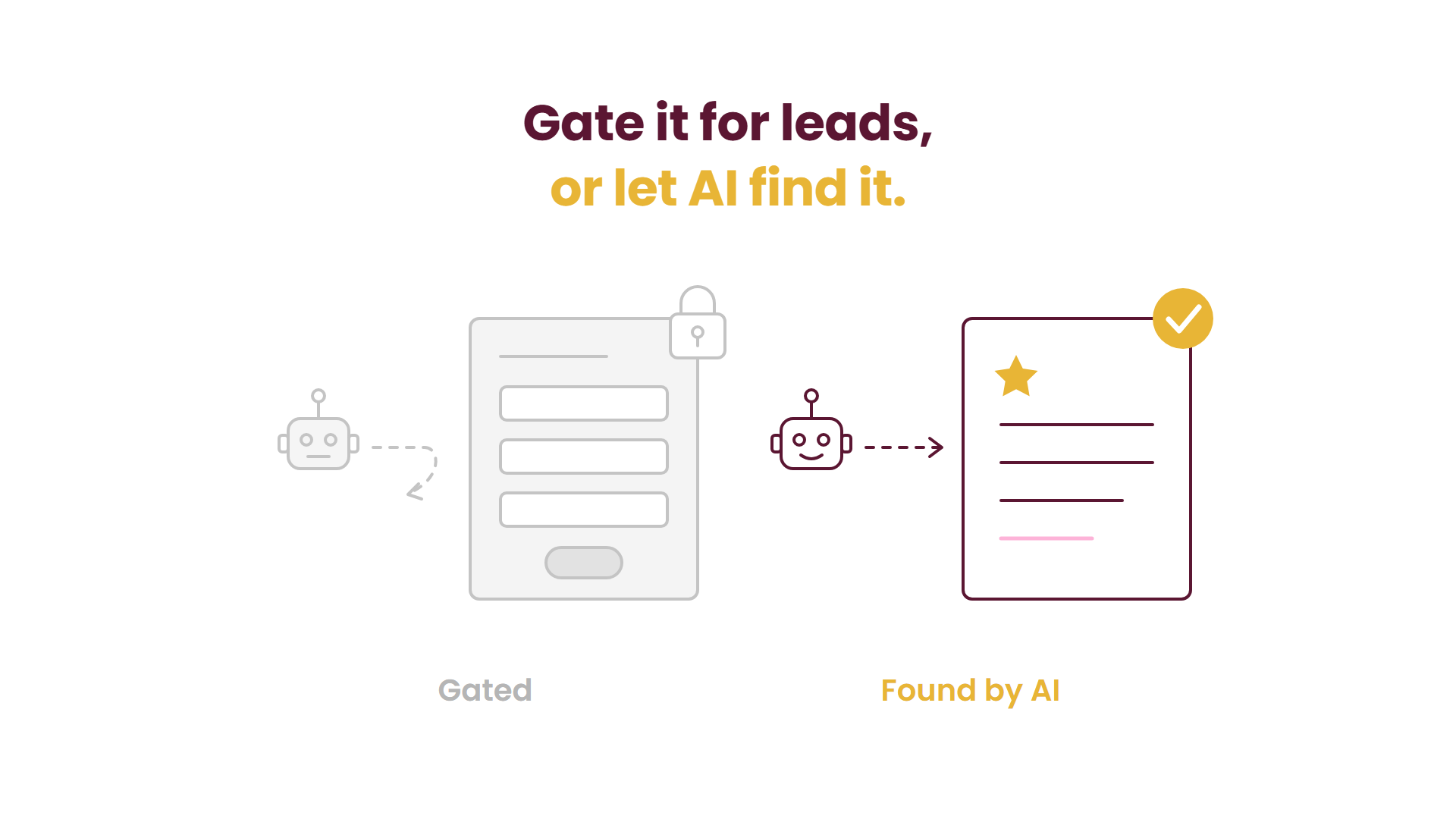
For years the advice was simple: take your best content, put it behind a form and collect the leads. I followed it, like most marketers did.
What I actually got was a collection of email addresses nobody checks, personal Gmail accounts on B2B downloads, and professional addresses from people who only wanted the PDF and had no intention of answering the follow-up call. (A few did pick up, although I suspect a phone call simply made some of them feel important, which is lovely for them and useless for pipeline.)
I've seen both ends of it. One trendy piece pulled in a pile of downloads and not a single one converted. A properly good white paper, the kind you spend weeks writing and more weeks making look right, sat behind its form and barely got touched, until sales started sending it straight to prospects and the feedback came back that it was really useful. The quality had been there all along; people just weren't willing to hand over their details to find out.
Everyone knew about the poor leads. The quieter damage was in the CRM, because a download usually fed lead scoring. Someone vaguely interested in the subject, nowhere near the ICP, picked up points for it and then sat there as a dead record, making the pipeline look healthier than it was.
Why AI makes the old trade-off worse
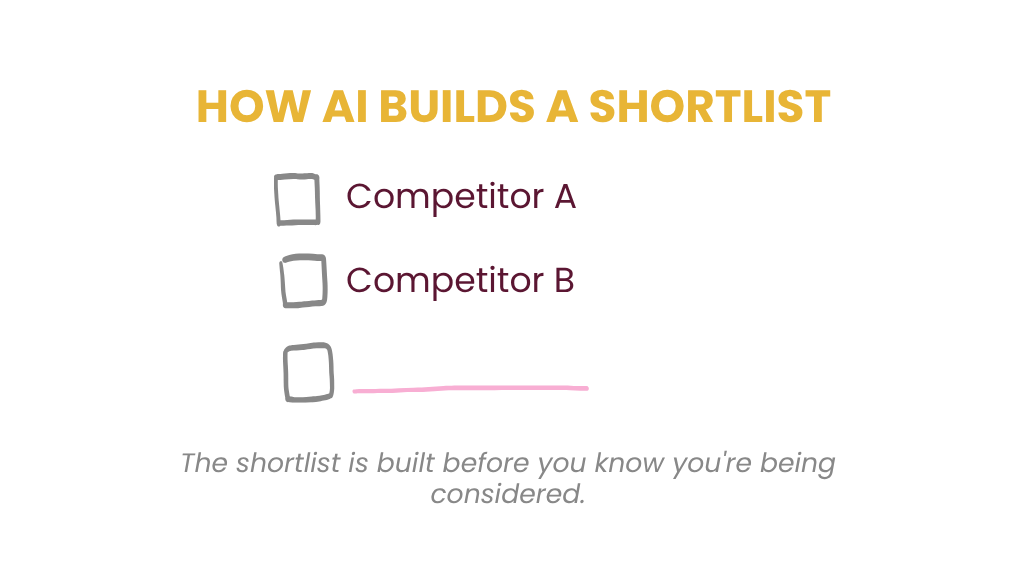
Search Engine Land reported on 13 October that gated content is invisible to the AI crawlers now doing a lot of early vendor shortlisting. If ChatGPT or Perplexity can't read your best thinking, it can't cite you when a buyer asks a question in your category, so someone else's open article gets the mention instead.
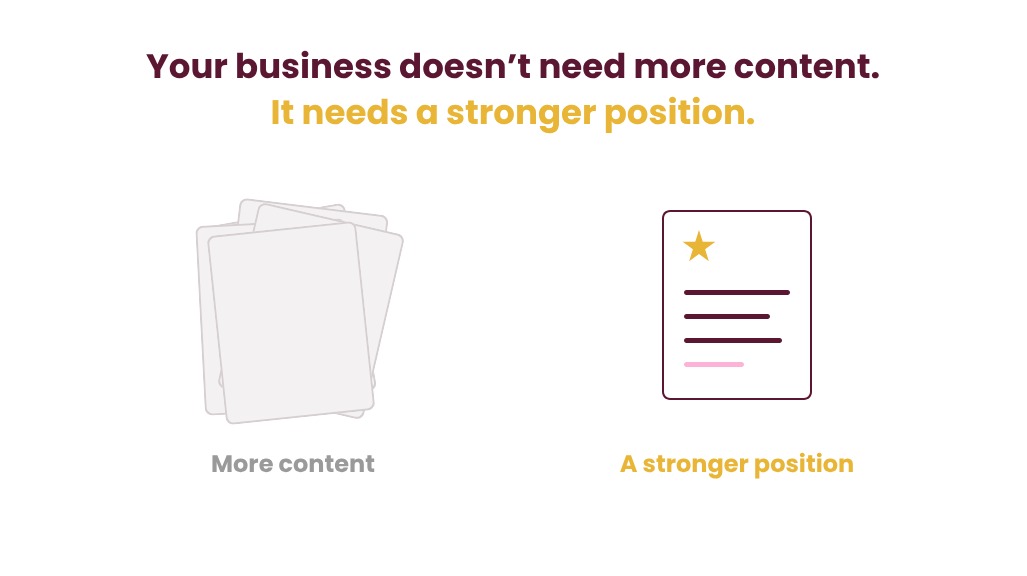
And there is a lot more of someone else's content now. AI has made content cheap to produce, which means that whatever you lock away, a competitor has probably published something similar in the open.
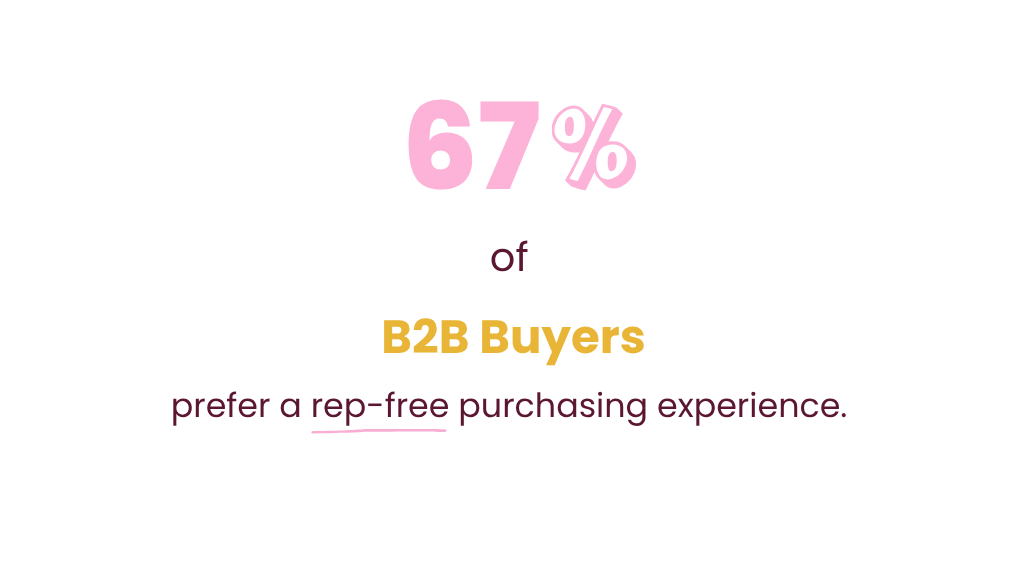
I'm not the only one coming round to this. At an AI visibility event in October, a global marketing director at a large industrial tech company said her team is now tearing down the gates, after roughly fifteen years of putting forms on their hero content. She is also sick of being measured on MQLs, because a buyer can have twenty touchpoints with her content before talking to sales without a single one of them showing up as a form fill.
Should B2B startups gate content if they want AI search to cite them?
Mostly, no. If you're building your first marketing function, the instinct is to gate the flagship asset because that's what the templates say, but that's exactly the asset you want AI, and buyers, to find.
There may be some content you deliberately keep out of AI's sight, made only for people already in your pipeline, but that doesn't need a form either. Send it to them directly as part of nurturing.
Fix the SEO before you buy GEO
GEO relies on good SEO, so before anyone sells you a retainer, check that AI tools can get into your site at all. A surprising number can't, for reasons nobody on the team chose on purpose.
- Your robots.txt file. This small file tells crawlers what they may read, and it can block AI crawlers such as GPTBot, ClaudeBot or PerplexityBot, sometimes through a rule someone copied in years ago.
- Your hosting settings. Cloudflare, for example, has a setting that blocks AI crawlers, and on newer accounts it can be on by default, so a perfectly welcoming robots.txt can still be overruled further up the chain.
When I moved my own site this autumn, I named the AI crawlers in robots.txt and let them all in, then tested that they could actually get through (they can).
Then look at what they find once they're in. A speaker from an agency's AI team at the same event made a point that stuck with me: AI goes looking for information, not a sales pitch. Their analysis of Microsoft found that most of its AI citations pointed to the documentation library rather than the marketing site, and another client of theirs had a five-year-old press release outranking their entire website. Clear service pages, plain explainers and FAQs that answer real questions will do more for you than another round of polished homepage copy.
One last check: search Google for the service you sell. If you don't show up, AI tools, which lean heavily on search results, are unlikely to find you either, so fix that before paying anyone for GEO.
So, gate or not?
Open by default, send the few things that are genuinely for prospects directly, and make sure the machines can get in. Keep producing quality content, because AI still needs something worth citing.
Which leaves a question I haven't settled: if a piece is written mainly to be found by AI, how much should you spend on the design? AI doesn't care how pretty the PDF is. In fact, it doesn't much like PDFs at all and reads plain text and markdown far more easily, which is why the same agency is already building stripped-back, text-only sections of client sites just for AI.